
Typical symptoms
- Heavy, cramping legs after walking 100 to 500 metres
- Relief when sitting or bending forward (shopping cart sign)
- Lower back stiffness, often without sharp pain
- Numbness or weakness in both legs
SPINE CONDITION
If your legs grow heavy and cramp after a few hundred metres — forcing you to stop, sit down or lean on a shopping cart — spinal stenosis may be the reason. It is a progressive narrowing of the spinal canal that compresses the nerves running through it, causing this neurogenic claudication that eases the moment you lean forward. Modern surgery can give you back the walking distance you've lost.
Most cases evolve over years. Walking distance decreases, posture changes and patients instinctively lean forward to widen the canal.
Stenosis results from the slow degeneration of discs, facet joints and the ligamentum flavum, which combine to narrow the canal. It is most often lumbar but can also affect the cervical spine, where it threatens spinal cord function.
MRI is the cornerstone of diagnosis. The clinical exam, walking test and standing X-rays determine whether the radiological finding matches the patient's functional limitations.
We always start with the least invasive option that delivers durable relief. Surgery is reserved for cases where conservative care has failed or red flags are present.
Stage 1
Posture and gait rehabilitation, low-impact cardio, NSAIDs and selective nerve root blocks. Effective when impairment is moderate.
Stage 2
Microscopic or endoscopic laminectomy through a small midline incision. Targets only the segment responsible for symptoms while preserving stability.
Stage 3
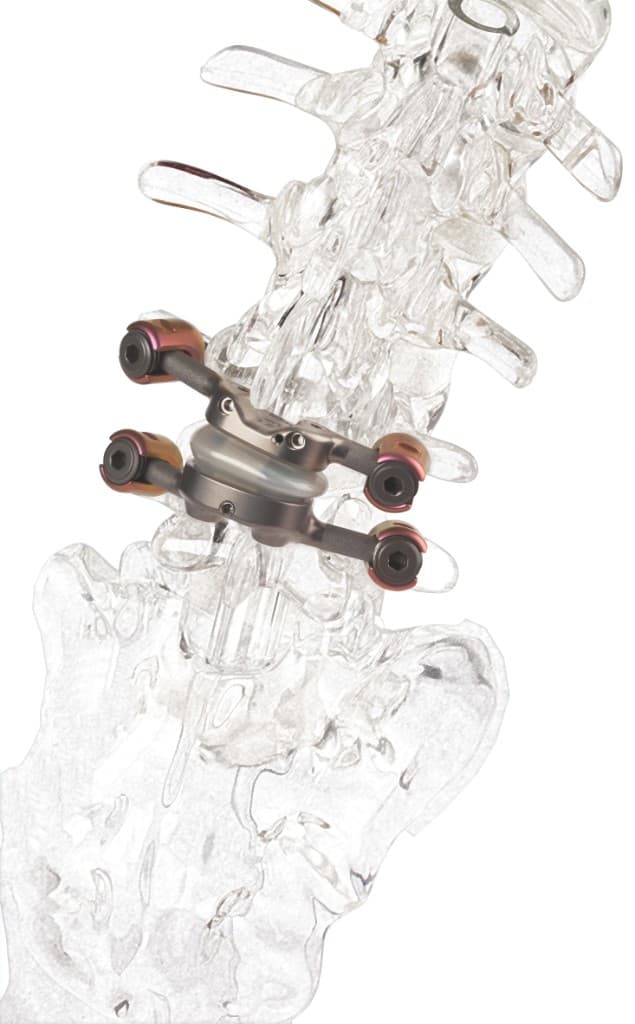
Indicated when stenosis is associated with instability or degenerative spondylolisthesis. Modern instrumented fusion uses 3D navigation and percutaneous screws.
Surgical technology
Dedicated international slots reserved with our French partner surgeons — no 12 to 18 month waiting list.
Minimally invasive procedures, intra-operative imaging and the latest implants — often unavailable locally.
Coordination from Montréal to France in French and English, with your home physician kept in the loop.
Detailed pricing before any procedure, insurance support and no hidden fees.
Step 1
45-minute appointment with our clinical nurse specialist to review imaging, symptoms and history.
Step 2
Your case is shared with the most relevant French spine surgeon. Treatment plan delivered within 48 hours.
Step 3
Concierge organises stay, transport and admission. Surgery takes place in a partner centre of excellence.
Step 4
Post-op recovery in Québec with shared follow-up between Franchir's team and your home physician.
Patient stories, surgeon interviews and procedures filmed with the Franchir network.
with Dr Brauge
Send us your imaging and medical history. A specialist reviews your file and confirms whether surgery is the right option — for free.